
Do not plan a luggage inspection as a stop of known duration. The competent authority determines the scope and procedure, rather than the convenience of the passenger timetable. Customs authorities can check people, belongings and transport within their powers. Practical preparation means knowing what is in your bags, keeping documents accessible and understanding instructions on site. Orderly packing helps you act, but does not guarantee that there will be no questions or that passage will be quick. European Commission: customs controls on passengers’ goods.
Know what is in every bag
Before travelling, inspect all compartments, including things left from an earlier journey. If carrying food, medicines, purchases or special items, check restrictions for your route separately. A suitcase size accepted by the carrier does not mean every possible content is permitted at the border. Do not pack an unknown parcel for somebody who has not explained what is inside.
Prepare a short description of unusual items and their purpose. Do not improvise an explanation at the inspection counter. For items requiring notification, review the declaration procedure beforehand. This helps you provide accurate information without confusing personal belongings with commercial goods.
Separate accessible items from stored luggage
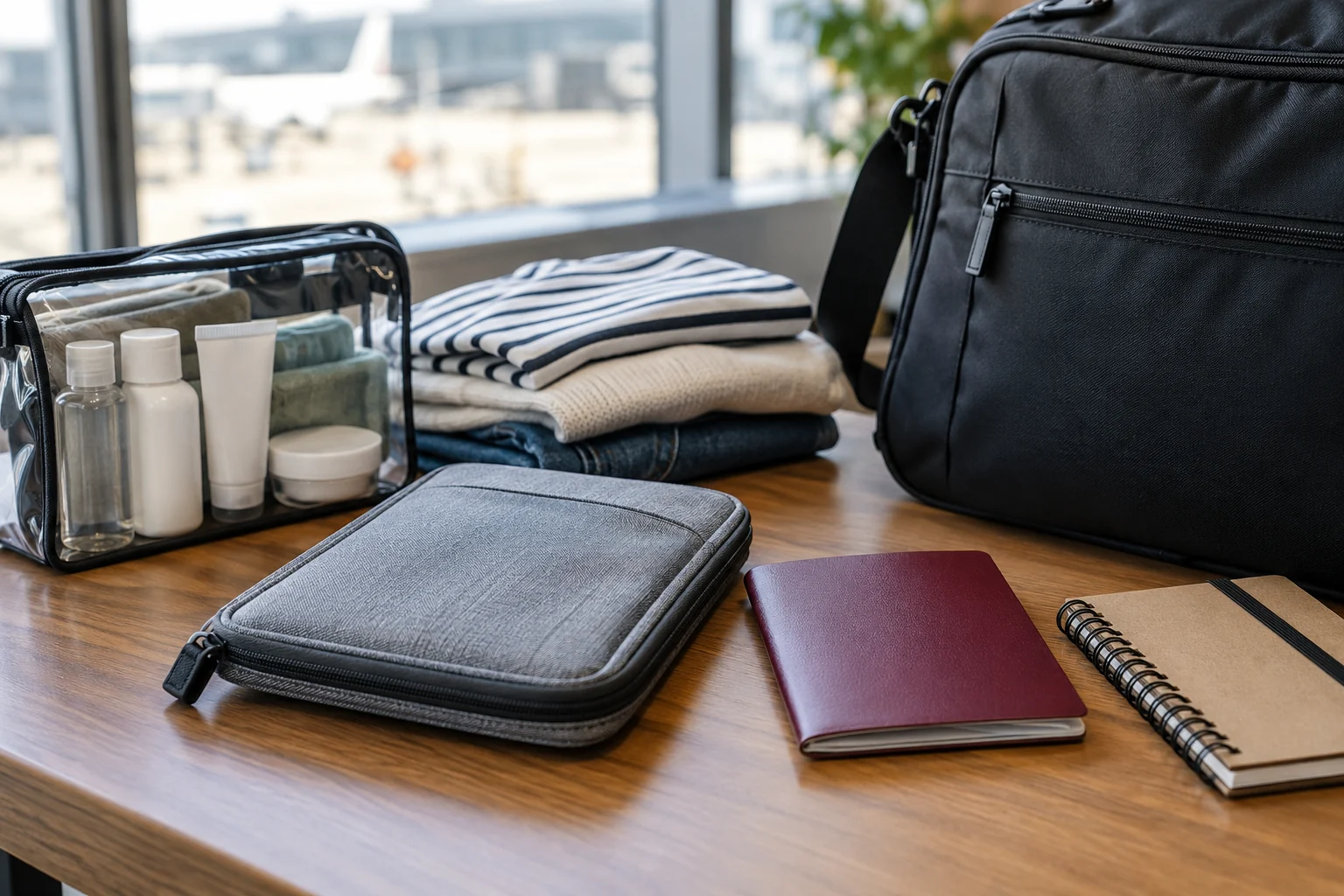
Put documents, ticket, phone and personal essentials in a small bag kept with you under the carrier's rules. If the suitcase is in the hold, do not leave your only document for checks inside it. Save necessary supporting files offline, but do not regard a copy as a universal substitute for an original.
Arrange the suitcase so a requested item can be found without scattering everything. Use closed pouches for small things without concealing items from lawful inspection. Coach luggage rules help establish where bags are stored and how to access them under the crew's instructions.
Follow instructions at the crossing
Clarify whether you must leave the coach, take all bags or produce only a specified item. Do not open the luggage hold or move other passengers' suitcases independently. If an instruction is unclear, ask for repetition or for the relevant item to be shown. A calm question is better than guessing, especially near moving traffic.
Keep control of your hand luggage and leave passageways clear. Being present beside luggage and how it is presented depend on the procedure and official instructions. Do not assume a universal right to record: check rules for photography and phone use in the control area first.
Answer specifically and retain issued documents
When asked about an item, explain its purpose and show available paperwork on request. Separate known facts from assumptions: an unknown composition or value must not be replaced with a convenient answer. If translation is needed, ask for an understandable explanation and clarify unfamiliar wording before signing.
When issued a record, receipt or another document, check the details you can and retain your copy. If an item is held or further action is necessary, ask the authority's name, the follow-up procedure and contact details. These are more useful than a photograph of an officer or an argument about the usual inspection time.

Check belongings before continuing
After the permitted steps are finished, gather your possessions and check that you have your own suitcase, hand luggage and documents. Compare appearance and tag rather than colour alone: similar models are easily confused. Do not return to the coach without understanding instructions from the crew and authority.
If an item is missing or damaged, record the facts and contact the responsible participant in the procedure without declaring an unproven cause. Collecting luggage after a coach helps build a checking routine. Retain relevant paperwork and continue only according to the actual current travel plan.
← Back to the journal